
Flushing, anode rods and tankless descaling

Water Heater Maintenance Across the CT Shoreline and River Valley

Guild Water Heater Experts flushes tanks, checks anode rods and descales tankless water heaters across the CT Shoreline and River Valley. Regular care slows the sediment and scale that shorten a water heater's life.

  • Licensed and insured in CT
  • Owner-operated since 2022
  • $80 on-site estimate, credited to the job
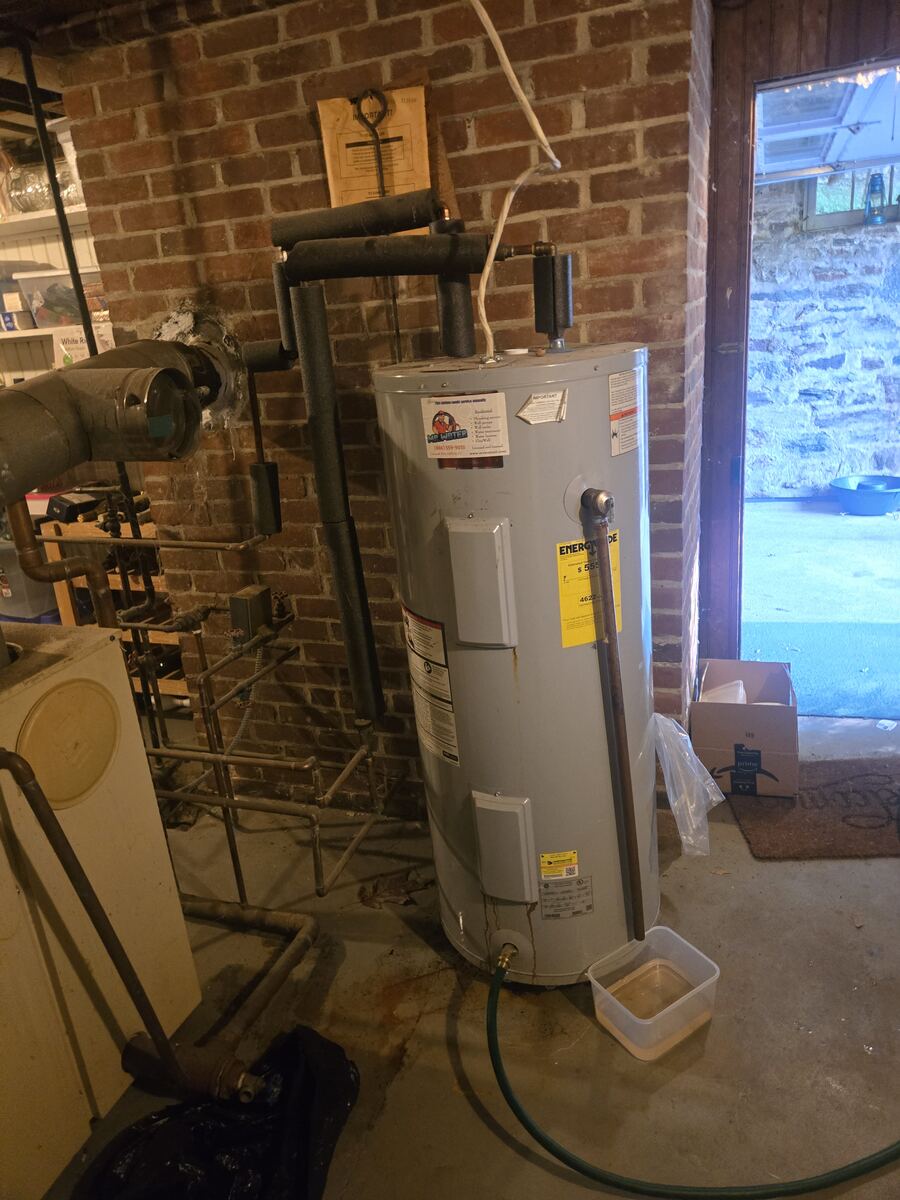
Electric tank water heater in a brick basement with a garden hose on the drain valve
Google reviews

What our customers say

Straight from Google, posted by homeowners across the CT Shoreline and River Valley.

See all reviews

A tank water heater needs a yearly flush to clear sediment and an anode rod check every few years. The anode rod is the metal rod inside the tank that corrodes so the tank does not. A tankless unit needs a yearly descale. Hard well water may call for more frequent care.

Signs you need water heater maintenance

Maintenance is easiest before there is a problem. These signs mean your water heater is due for care now.

  • Years of sediment may be sitting on the bottom, wasting fuel and stressing the tank.
  • Sediment is trapping water under it. A flush can help if caught early.
  • Often a reaction between the anode rod and certain well water. A different anode can fix it.
  • Anodes wear out. Once gone, the tank itself starts to corrode.
  • Scale inside the heat exchanger restricts flow and heat transfer.
  • Hard or iron-rich water speeds sediment and scale build-up.

Want your water heater checked before winter? Call and we will set up a visit. Call (860) 510-6899

How long it takes

Tank flush and inspectionAbout 1 to 2 hoursLonger if sediment is heavy.
Anode rod check or replacementAbout 1 hourAdded to a flush visit.
Tankless descaleAbout 1 to 2 hoursFaster if service valves are already installed.
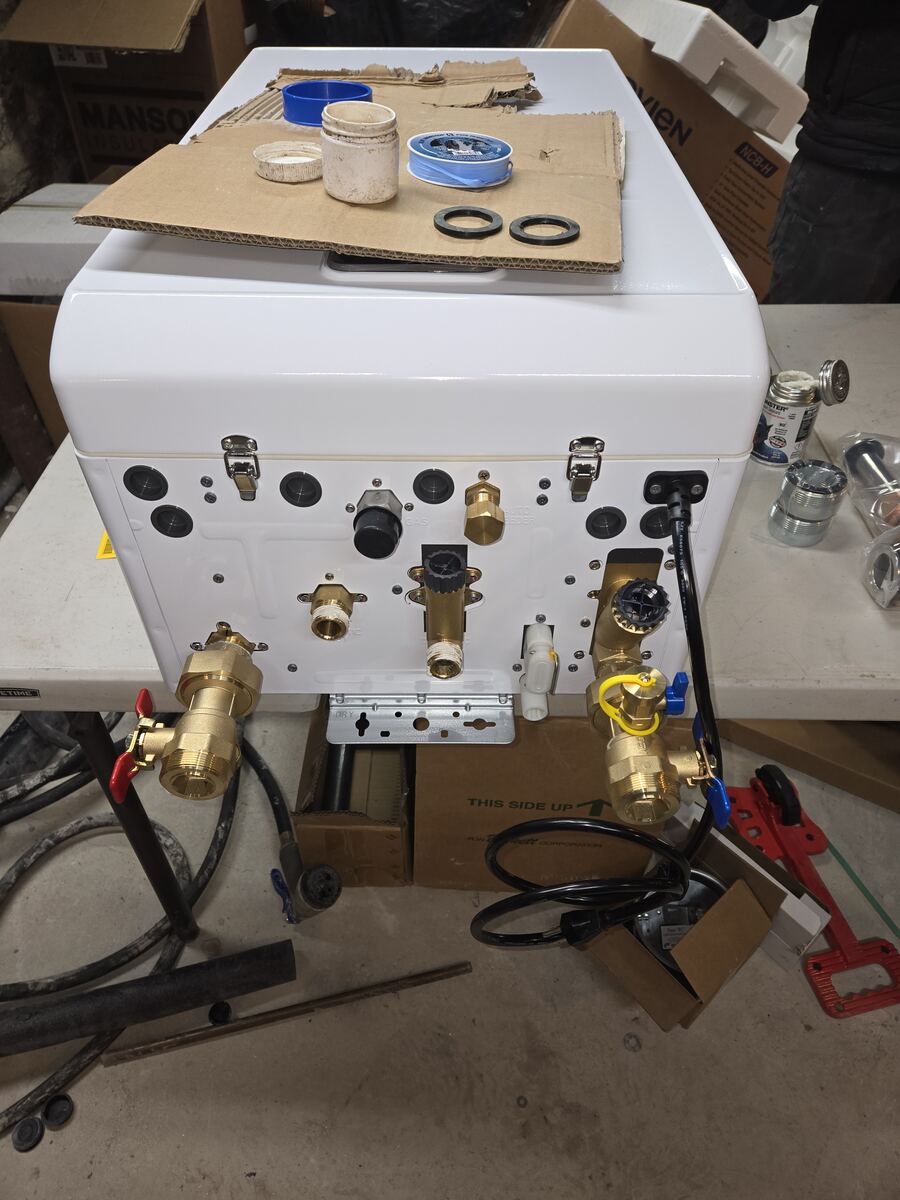
Underside of a combi unit on a work table with brass service valves attached

From our job photos

Brass isolation valves fitted to the unit first. They let us flush it later without cutting pipes.
Call (860) 510-6899

How water heater maintenance works with us

  1. Inspect the unit

    We check the tank or tankless unit, relief valve, venting and connections for leaks, rust or wear.
  2. Flush or descale

    Tanks are drained and flushed to clear sediment. Tankless units get a cleaning solution pumped through them.
  3. Check the anode rod

    On tanks, we pull and inspect the anode rod and tell you if it needs replacing.
  4. Test and report

    We refill, restart and test the unit, then tell you what we found and what to watch for.

Ready to schedule your water heater maintenance?

Serving the CT Shoreline and River Valley. Call to talk through your job, or book an $80 on-site estimate online. It comes off your bill.

What affects the price

Maintenance costs much less than a repair or early replacement, and it is the cheapest way to get more years from a water heater. Price depends on the type of unit and what the inspection finds. Ask us about your unit when you call.

  • Type of unitTank flushes and tankless descales are different jobs.
  • Sediment levelHeavy sediment takes longer to clear.
  • Anode rodA worn rod adds the cost of a replacement part.
  • Service valvesTankless units without valves may need them added first.
  • Water qualityHard well water may mean more frequent visits.

Every price is confirmed at your $80 on-site estimate, never guessed over the phone.

Licensed, insured and owner-operated

Licensed in Connecticut

CT heating license HTG.0410608-S1 and plumbing license PLM.0292074-P2.

Fully insured

Your home and our crew are covered on every job we take on.

Owner-operated since 2022

Erik Anderson Sr. runs the company and answers for the work himself.

Arrival reminders

Our scheduling system tells you before the technician pulls into your driveway.

Local water and the seasons

Many homes in the River Valley and along the shoreline draw water from private wells. Well water often carries more minerals and iron than town water, so sediment builds faster in tanks and scale forms faster in tankless units. Homes on wells benefit most from regular flushing and descaling.

Fall is a good time for maintenance. Winter puts the heaviest load on a water heater, and a clean tank or descaled tankless unit heats more efficiently when incoming water is coldest. For seasonal cottages near the beaches, a fall visit can include draining the heater before the house is closed for winter.

Common Questions

How often should a water heater be flushed?

Most manufacturers recommend flushing a tank water heater once a year. Homes on hard or iron-rich well water may benefit from flushing more often. Flushing removes sediment that wastes fuel, causes rumbling noises and can shorten tank life. A tank that has gone many years without flushing should be inspected first.

Who does water heater maintenance near Chester, CT?

Guild Water Heater Experts flushes tanks, checks anode rods and descales tankless water heaters in Chester and across the CT Shoreline and River Valley, including Middletown, New Haven and New London. We are an owner-operated company with Connecticut heating and plumbing licenses.

What does an anode rod do?

An anode rod is a metal rod inside a tank water heater. It corrodes on purpose so the steel tank does not. Once the rod is used up, the tank starts to rust from the inside. Checking it every few years and replacing it when worn can add years to a tank's life.

Frequently Asked Questions

Many homeowners can, but take care. The water is hot, old drain valves can break or leak, and a gas unit must be set correctly before draining. If your tank has never been flushed in many years, have it inspected first, since stirring up heavy sediment can cause a leak.

This usually comes from bacteria in the water reacting with the anode rod, and it is more common with well water. Swapping the anode for a different type, such as aluminum zinc or a powered anode, often fixes it. We can check the rod and recommend a fix during a maintenance visit.

Most manufacturers call for descaling once a year. Homes on hard well water may need it every six months. Signs that a descale is overdue include lower water temperature, reduced flow and error codes. Service valves on the unit make descaling faster and easier.

Yes. Sediment and scale are two of the main reasons water heaters fail early. A yearly flush keeps the tank bottom clear, a healthy anode rod protects the tank from rust, and descaling protects a tankless heat exchanger. Regular care also helps the unit use less fuel.

If the house will be unheated over winter, yes. Water left in a tank or tankless unit can freeze and crack it. Draining the heater and the supply lines before closing the house protects them. Turn off the fuel or power first, and refill the tank before turning it back on.

Related water heater services

Compare options or see all our water heater services, then book an estimate.

Water Heater Repair

Repair of gas, electric and tankless water heaters, including no hot water calls, leaks, pilot and ignition problems, and noisy tanks.

Water Heater Replacement

Replacement of gas, electric and propane tank water heaters, sized to your household and installed by a licensed Connecticut plumbing and heating company.

Tankless Water Heater Installation

Installation and replacement of tankless water heaters, sized for Connecticut's cold incoming water and fitted with service valves for easy descaling.

Book water heater maintenance across the CT Shoreline and River Valley

Call Guild Water Heater Experts or book online. Your $80 on-site estimate comes off the bill when you book the work.